
A learning difference can affect how a student learns to read, write, spell, or do math, but it does not define their potential.

A diagnosis can be an enormous relief, it finally puts a name to something you've been living with for a while. If you haven't gotten one yet, that's okay too. Either way, you're in the right place.
We work with all kinds of learning differences, and we'd love to help you understand what your child needs. Take a look below to find the one that fits your child.
Every child is different, but one thing holds true for all of them: the right instruction, matched to how they learn, makes real progress possible.
Choose a Learning Difference
Dyslexia
Students with dyslexia often struggle to read accurately, spell consistently, or recognize words automatically. They may read slowly, guess at words, or struggle connecting sounds and letters. With structured literacy instruction, they can become confident, capable readers.

Dysgraphia
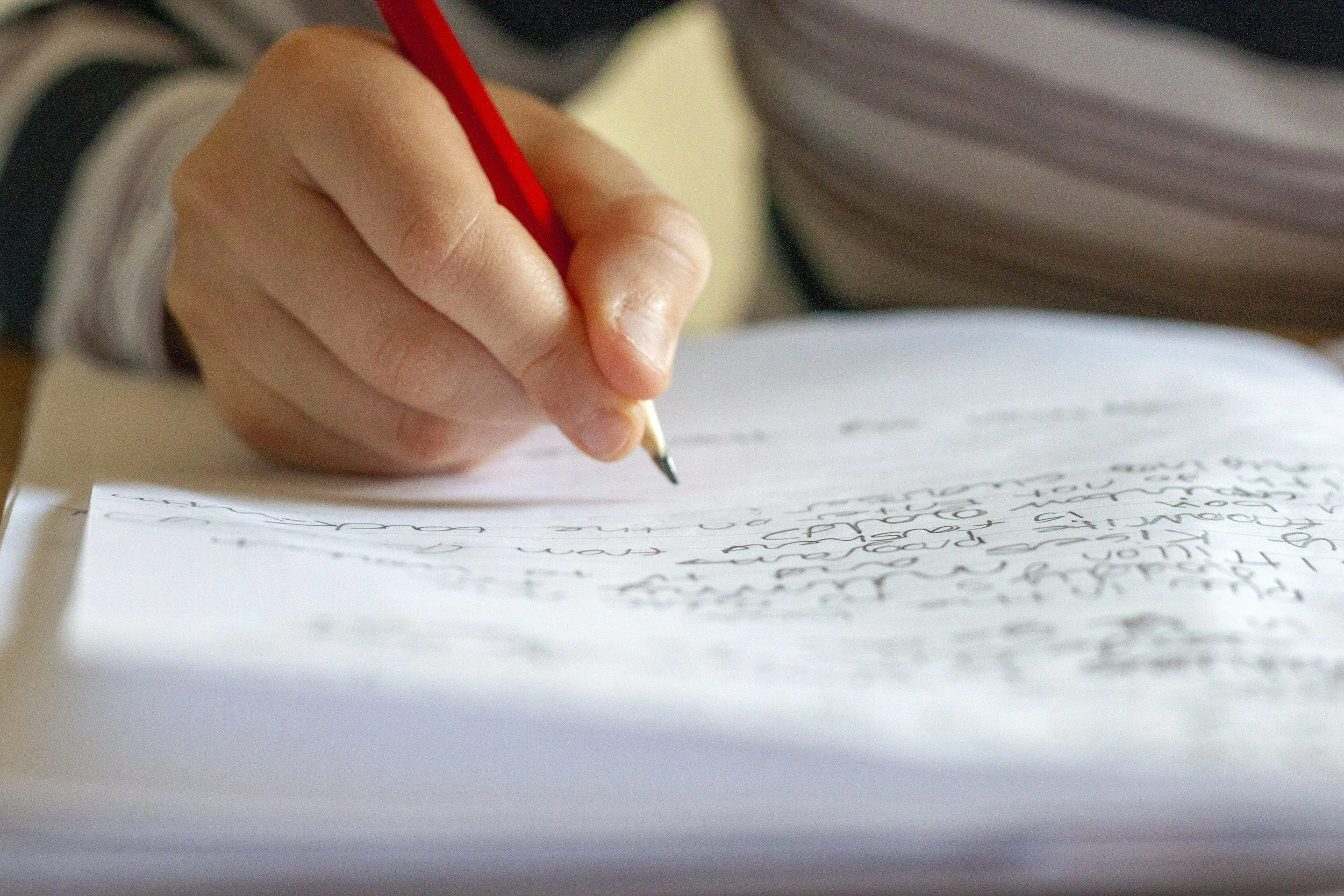
Students with dysgraphia often know what they want to say but struggle to get those ideas onto paper. Writing may be slow, frustrating, or physically tiring, even when verbal language is strong. With explicit instruction in the mechanics of writing, they can become more confident, capable writers.
Dyscalculia
Students with dyscalculia often have difficulty developing number sense, remembering math facts, or understanding mathematical relationships. With explicit, hands-on instruction, they can build confidence in math.

Learning Differences Don't Always Look the Way You Expect
Learning differences don't always fit neatly into one category. Many students show a combination of strengths and challenges that can make it difficult to understand what's really going on.
Here are a few patterns families often notice:
-
This is one of the most common concerns we hear. Reading and spelling rely on related but different skills. A student may become a fluent reader while still struggling to store and recall the spelling patterns needed to write words accurately. Poor spelling is not usually a sign of carelessness or a lack of effort. It often points to a weakness in the underlying language skills that support spelling.
-
A student's reading may improve while writing remains difficult. They may know exactly what they want to say but struggle to organize their ideas, form letters efficiently, or get their thoughts onto paper. Reading and writing are related, but they don't always develop at the same pace, and writing often needs its own direct, structured instruction.
-
Sometimes what appears to be a math difficulty is actually a language or reading challenge. If a student has trouble understanding the words in a problem, remembering multi-step directions, or identifying what information matters, solving the math becomes much harder. Understanding where the breakdown occurs helps determine the best place to begin.
Every student has a unique learning profile. Our goal is to understand how your child learns so we can recommend instruction that addresses the skills they need most.
You do not need a diagnosis to reach out.
If you're noticing persistent challenges with reading, writing, spelling, or math, we'll help you understand what's happening and recommend a clear next step.